




Feldman Chrysler Dodge Jeep Ram of Clarkston

Blog / Feldman Clarkston Blog

Blog

All Feldman Clarkston Blog
Car Scratch Removal: A Beginner's Guide With 5 Hacks

Car Scratch Removal: A Beginner's Guide With 5 Hacks

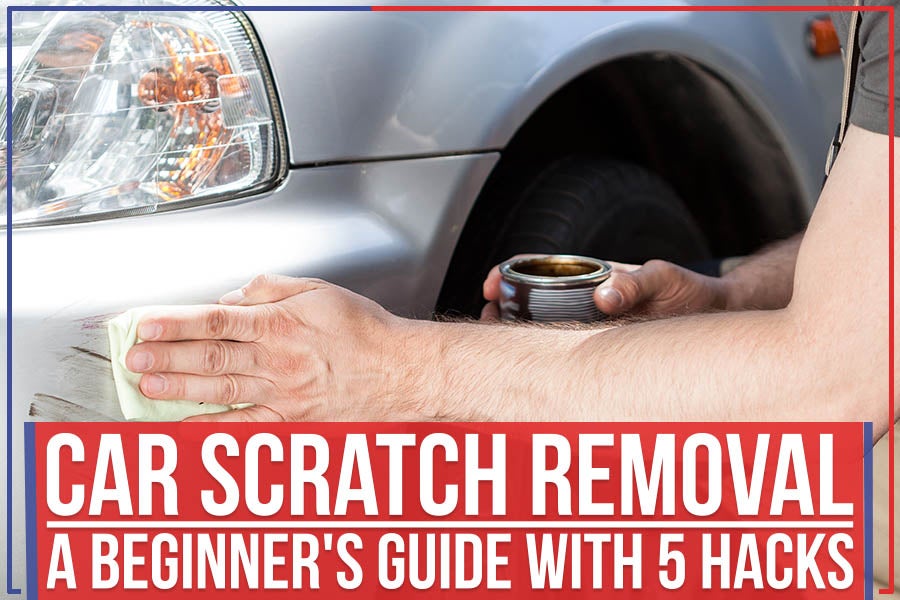
Nobody likes scratches on their car, but unfortunately, they’re a common nuisance. Whether you got them from parking too close to a pole or your kids drew on the side with a sharpie, here is a guide on removing scratches from car surfaces. This beginner's guide gives you a brief insight into car scratch removal so that you don't end up clueless, holding your head in dismay the next time you see them on your car. However - word of caution – these DIY car scratch removal remedies are like Cinderella at the ball. They will last only for the shine of an occasion before the rust & corrosion settles in from deeper scratches. So, we advise that you better get your car booked for service rather than rely on these DIY tips long term! 1) Use Baking Soda - Who knew the baking soda placed on your kitchen's countertop could come in handy for car scratch removal? All you need is a baking soda paste and water. Apply the mixture to your car's scratched surface using a microfiber towel. Gently rub it on the surface in a circular motion for about two minutes. Let it dry, and then rinse it off with cold water. 2) Toothpaste - Toothpaste offers great temporary relief for minor, short-lived scratches. Avoid the gel-based toothpaste when applying the scratch. Apply a small amount using your finger. Gently rub it in a circular motion for about two minutes, and then wipe it off with a clean damp cloth. 3) Nail Polish - Nail polishes are not just for your nails; they can also help conceal minor scratches on your car surface. Use clear nail polish or a color that closely matches your car paint color. Apply the polish to the scratch using a cotton swab and let it dry. 4) Purchase Car Scratch Solutions - Commercial car scratch solutions are also available in the market. You can easily find them in auto shops and some supermarkets. Read the label and follow the instructions carefully to avoid damaging your car paint. 5) Use Vinegar - Combine equal parts water and synthetic vinegar in a spraying bottle, then spray it on the scratch. Let the solution sit over the surface for a few minutes, then wipe it off with a clean, dry cloth. Preferably with microfiber! Get Help from Auto Repair Professionals - It is best to leave the repair to the professionals for deep scratches. They have the right tools and equipment to fix your car and make it look as good as new. You can also ask to discuss tips to prevent scratches in the future. These are just a few ways to remove scratches from car surfaces. Following these DIY scratch removal tips can come in handy the next time you see them on your car. If your car's seen better days and you're looking for a way to remove scratches from the surface, Feldman CDJR of Clarkston, serving Flint, MI, can help. We offer quality car scratch removal services that can have your car looking good as new in no time. Schedule a repair session today, and let us take care of those irritating scratches for you!
Top 4 Advancements In Vehicular Technologies This Year!

Top 4 Advancements In Vehicular Technologies This Year!

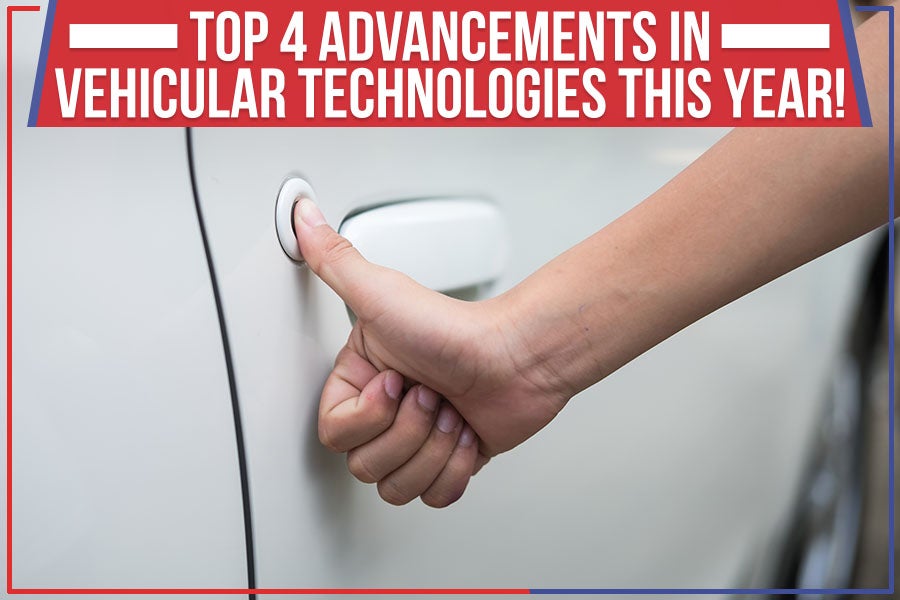
If you're like most people, you probably think of cars in terms of their looks and performance. The sleek lines or the rumbling engine might be what first comes to mind. But there's a lot more to a car than its style and power. While these are essential factors, they're not the only ones that matter when purchasing a vehicle. New car technology is becoming increasingly important, as it can make your driving experience easier and more enjoyable. If you're curious about what new car technologies will be available in 2022, read on! We'll outline the top five technologies you can look for in your next purchase. Adaptive Cruise Control: Have you ever been breezing down the highway and wished that you could just set your cruise control and relax? Well, with adaptive cruise control, you can! This feature utilizes sensors to keep track of the traffic around you and adjusts your speed accordingly. So, if the car in front of you slows down, your car will automatically slow down. Moreover, some adaptive cruise control systems can even come to a complete stop and start again without you having to touch the pedals! Autonomous Parking: The absolute luxury of never having to parallel park again? Yes, please! Autonomous parking is a feature that is becoming increasingly popular in newer cars. This technology uses sensors to help you park your parallel and perpendicular car. Some cars even can automatically get in and out of a parking spot! It reduces the risk of bumping into things and makes parking a breeze. 360-Degree Cameras: How annoying is it to open the door into the wall, kissing your paint job goodbye? Cars with 360-degree cameras have sensors that detect obstacles around your vehicle so that you can avoid them. It is beneficial in tight spots or crowded areas. You can also use the camera to see what's behind you when you're backing up to avoid any potential accidents. Keyless Entry and Start: Irate with fumbling around for your keys? How many times have you dropped them or left them somewhere? With keyless entry and start, you can unlock and start your car with the push of a button. This Keyless feature is convenient, but it's also more secure. You can also establish a PIN code so that only you can unlock and start your car. Automatic Braking: It is a life-saving feature becoming more and more common in new cars. If a vehicle stops suddenly, your car will automatically brake to avoid a collision. The system uses sensors to trigger a proximity alert when a car is getting too close. If you are not paying attention and not braking, the system will brake for you. Some cars also offer audio and visual warnings to alert the driver. It is a great feature for busy highways and city streets. Conclusion: Feldman CDJR of Clarkston, serving Goodrich, MI, is your source for new car technology. We can't wait to show you what the future of driving looks like! Visit our website to check our inventory of new and used cars. You can also take a look at our special offers!

Ready To Rumble Like A Pro? Here’s Your Quick Guide To A Test Drive!

Ready To Rumble Like A Pro? Here’s Your Quick Guide To A Test Drive!

There's nothing better than a test drive when you're in the market for a new or used car. You get to experience the power and performance of the vehicle up close and personal. Plus, it's an excellent opportunity to check out all the bells and whistles that come with your dream car. Stay tuned for these simple tips to unlock the secrets to a stress-free test drive. No. 1: Research Before we jump in and zoom off down the open road, it's essential to do your research. You'll want to specify what kind of car you require. Figure out your must-haves and nice-to-haves in advance and narrow your options. No. 2: Tick Off Compile your custom checklist of everything you want to test during the drive. This could be from how smoothly the car accelerates to whether the heated seats are comfy enough. And don't forget the all-important question: does this car fit into your budget? Once you have your research and checklist ready, it's time to find that car! No. 3: Eye Candy Before getting comfortable on any leather seats: 1. Give your choice a once-over. 2. Ensure the car's paint job and exterior features are in good condition. 3. Pop inside for a thorough interior inspection. 4. Watch out for any unsettling smells, ripped upholstery, or unresponsive buttons. No. 4: Check the Tech With technology in cars reaching new heights, it's more important than ever to ensure your car is packed with the features you need. Do a quick check of the stereo system, navigation, and safety features. If you're not sure how something works, ask the dealer! No. 5: Tagalong Your car won't only be carrying you around but also your family, friends, and all of your belongings. Make sure it has enough space for everything you need! Test out the back seats and trunk to see how much room there is. Bring your best buddy to point out any flaws you might have missed. No. 6: On Guard Identity theft is a huge problem, and while not every dealership is guilty of it, it's better to be safe than sorry. Keep a photocopy of your license at hand so that if the dealership asks for it, you can provide it and then retrieve it. You should consider destroying the copy later on to avoid any possible issues. No. 7: Fuel Issues Purchasing a car is already a massive expense, and you want to make sure it's worth it. Find out what kind of fuel economy the car you're interested in gets. If it's not good, move on. There are plenty of other options that won't break the bank every time you need to fill up your tank. No. 8: Hit the Road We've got a couple of strategies to consider on your test drives. First off, take the car on different types of roads. You want to experience how it handles various conditions. Also, take your time. It's not a race. If you can, avoid peak traffic hours so that you're not rushed or stressed out while behind the wheel. The Gist Test driving can be a stressful experience, but it doesn't have to be. You might even enjoy it if you go in prepared and with a game plan. For reliable rides and quality cars, Feldman CDJR of Clarkston, serving Linden, MI. We're committed to providing enjoyable experiences for our customers. Check out our inventory today!

What Should A Car Owner Know About Trade-Ins?

What Should A Car Owner Know About Trade-Ins?

Think you're a pro when it comes to car dealing? Even the most experienced drivers need help, and that's especially true for trading in your old car for a new one. Follow these essential tips to ensure the process goes as smoothly as possible. 1) Stage Your Car - Just like you would stage a house before putting it on the market, it pays to spend some time preparing your car for its big trade-in day. Please give it a good wash and wax, inside and out. Remove any personal effects like loose change, old receipts, or that fast food wrapper jammed under the passenger seat. Also, remember to tidy the trunk or backseat area. You need to ensure the next owner has ample space for their belongings. 2) Fix All Problems - Now is the time to fix that pesky check engine light or that annoying rattle in the back. Your car's condition will influence its trade-in value, so it's in your best interest to take care of any problems before heading to the dealership. 3) Arrange All Maintenance Records - Gather all of your car's maintenance records together in one place. This will give the dealership an idea of how well you've cared for the vehicle and could help boost its value. If you don't have all the records, that's okay. Most dealerships will still take your car, but it helps to have them on hand. 4) Know Your Car's Worth - Before heading to an auto dealership, it's good to have a general idea of how much your car is worth. You can visit dealerships to get an estimate. It's also helpful to read up on common negotiating tactics to know what to expect when talking numbers. 5) Do Some Competitive Research - Check the value of similar used vehicles in your area to get an idea of what you should be expecting for your trade-in. This will help you know if the dealer's offer is fair or not. 6) Negotiate the Trade-In Value First - Once you know your car's worth and what similar models are going for, you can start negotiating with the dealer. Remember that the dealer will likely lowball you, so don't be afraid to counter their offer. It's also important to negotiate the trade-in value before discussing the price of the new car you're interested in. As you can see, a lot goes into trading in your car. And remember, maintenance & regular upkeep is key to getting your ride traded in for a robust new model! But don't worry; we at Feldman CDJR of Clarkston, serving Clawson, MI, are here to help make the process as smooth and easy for you as possible. We want to ensure that you get the best value for your car trade-in and leave our dealership feeling satisfied with the deal. Schedule a service with our team today!

6 Ways You Can Get Better Gas Mileage

6 Ways You Can Get Better Gas Mileage

There aren't many things more frustrating than watching your gas tank drain away faster than you would like. You might think you can do nothing to improve your gas mileage, but that's not always the case. You can do several things to squeeze just a bit more out of every gallon. Read on for some tips on how to get better gas mileage in your car. Feldman CDJR of Clarkston, serving Birmingham, MI, is a leading car service center and dealership that provides top-notch car maintenance and repair services. Keep an Eye on Tire Size and Pressure Wider tires can improve your traction and make your car look more aggressive, decreasing fuel economy. Lowered suspension can also have a negative impact on your mileage. Bigger isn't always better when it comes to gas mileage. Maintain Your Engine A well-maintained engine will run more efficiently and use less gas. Change your oil regularly and keep an eye on other fluids. You should also get regular tune-ups to ensure that your engine runs at peak performance. Reduce Drag Wind resistance can waste a lot of gas, so do what you can to reduce drag. Remove any unnecessary weight from your trunk or back seat, and ensure your tires are inflated to the proper level. You can also invest in an aerodynamic car cover to help reduce drag while you're driving. Drive Smart The way you drive can have an impact on your gas mileage. Avoid sudden starts and stops, and maintain a consistent speed when possible. Acceleration wastes gas, so it's best to keep your foot light on the pedal. Try Alternative Fuels Alternative fuels are worth considering if you're looking to improve your car's gas mileage. Several biofuels can be used in place of gasoline, including ethanol and biodiesel. These fuels are renewable and often produce less pollution than gasoline. Get a Tune-Up Making sure your car is running correctly can improve your gas mileage by up to 4%. A tune-up should include changing the oil, replacing the air filter, and checking the spark plugs. You may also want to have the fuel injectors cleaned, improving your mileage by up to 2%. So, there you have it - six simple ways to improve your car’s gas mileage. Of course, this is just a starting point; you can do plenty of other things to boost your fuel efficiency. But if you're looking for easy wins, these tips should help you get started. And don't forget - the best way to save on gas is to schedule regular service at Feldman CDJR of Clarkston, serving Birmingham, MI. We can help make sure your vehicle is running as efficiently as possible to save money at the pump and hit the road with confidence. So, schedule a service with us today.

Hot Engine Tips: What To Do When Your Car Overheats?

Hot Engine Tips: What To Do When Your Car Overheats?

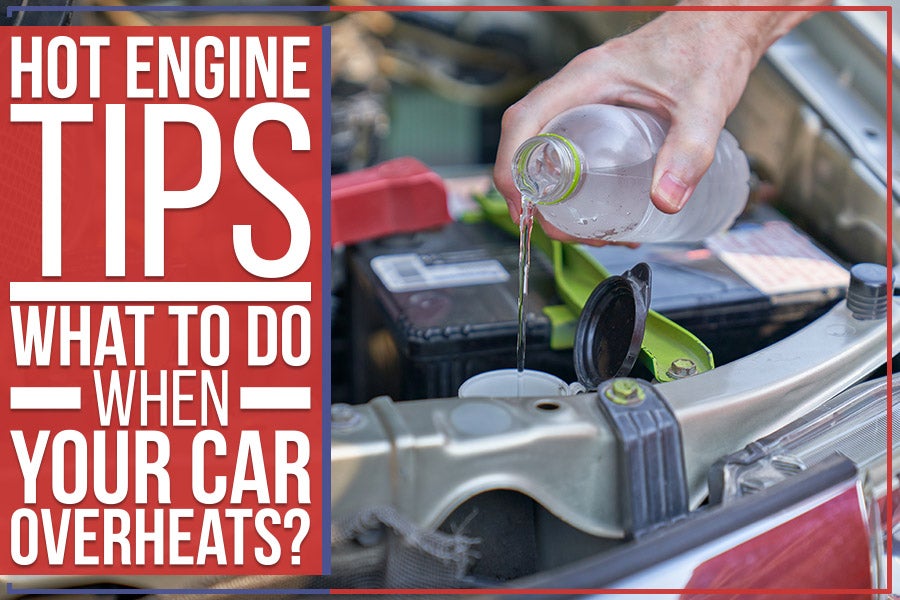
Cars are amazing machines. With just the swing of a key, they can take you wherever you want to go. But like every other machine, they need proper care and maintenance to run well. Among the most important things to keep an eye on is your car's engine temperature. When it gets too high, your car can overheat, leading to expensive repair bills and, even worse, engine damage. In this blog post, Feldman CDJR of Clarkston will give you some tips on what to do when your car overheats so that you can avoid costly repairs. Stay cool! Engine Overheating: What Is It & Why Does It Happen? Engine overheating is a common problem that many drivers experience. It occurs when an engine gets too hot, typically due to issues with the cooling system or other problems with the car's engine. There are multiple reasons why your ride may be overheating. Some of the most common causes include a clogged radiator and/or coolant passages, dirty or low-quality engine oil, mechanical problems like faulty fan belts and water pumps, worn out hoses, valve and cylinder head damage, or blocked air intakes. Additionally, some cars can overheat if they aren't driven often enough or parked in the sun for long periods. What To Do If My Car's Engine Overheats? If you ever notice that your car is running hotter than normal, these are the steps you should take: Safely and carefully pull over to the side of the roadway and turn off the engine as soon as possible. Do not attempt to drive your ride any further. Once the engine is off, open the hood and prop it up with the hood prop or a stick. This will allow heat to escape and cool down the engine faster. If you have a radiator cap, remove it so that steam can escape. Be extra cautious while you do this, as the steam can be very hot and cause burns. Check the level of your coolant and add more if necessary. Most cars have a 50/50 mix of water and coolant, so check your owner's manual to see what yours requires. Start the car's engine and let it idle for a few minutes. If the temperature gauge needle moves into the normal range, you can slowly drive your car home or to a nearby service station. If your car overheats and these tips don't seem to be helping, it's best to call a tow truck and have your automobile towed to a nearby service station or dealership. There may be a bigger problem with your engine that needs to be fixed by a professional. Feldman CDJR of Clarkston, serving Wixom, MI, and surrounding areas, is your go-to source for automotive repair. Whether you require a quick oil change, an engine tune-up, or more extensive car repairs, our pro mechanics will get the job done right. If your car overheats or develops other problems during the summer months - don’t worry! Just stop by our dealership today for a friendly and reliable repair service that will have you back on the road in no time at all. Visit us online to schedule an appointment today!

Road Trip Ready: 6 Reminders For Prepping Your Automobile!

Road Trip Ready: 6 Reminders For Prepping Your Automobile!

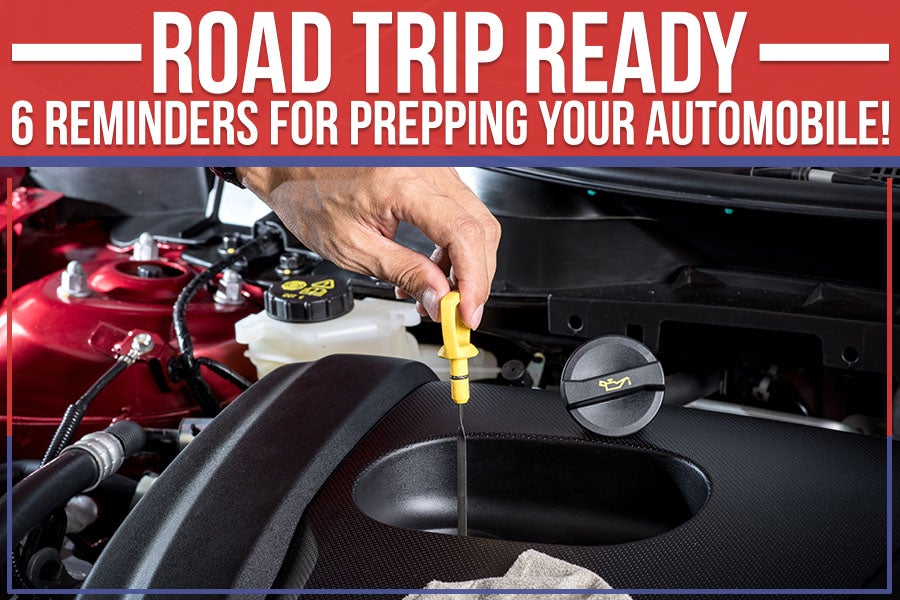
Packing and preparing for a road trip can be an overwhelming task. Whether you're hitting the highways for a weekend getaway or taking a solo journey to explore new places, there are a few things you need to do to make sure your car is up for the challenge. The following reminders will help you get your ride in shape for the open road. From checking tire pressure to ensuring your spare is in good condition, follow these tips, and you'll be all set for a trouble-free road trip. 1) Check Lights and Electrical Equipment Are Working - Ensure the headlights, brake lights, and turn signals should be in good working order. Test them before you leave so you're not left in the dark. Don't forget to check your headlights' aim, too. You can usually do this at most auto parts stores. 2) Check Tire Pressure and Tread Depth - Poorly inflated tires are a driving hazard that poses a grave threat. You can find your vehicle's recommended tire pressure in the owner's manual or on a sticker inside the driver's door. As for tread depth, make sure there is enough to ensure good traction in different weather conditions. Newer tires typically have 10/32" tread, while winter tires may have deeper tread. Use the Lincoln (penny) test to check tread depth: insert a penny into the tire groove with Lincoln's head upside down. If all of Lincoln's head is still visible, it's time for new tires. 3) Inspect Your Brakes - Conduct a thorough inspection of the braking system before hitting the road. Check for any leaks in the system and wear and tear on the pads and rotors. If you're unsure, take your car to a professional mechanic for a detailed braking inspection. 4) Get an Oil Change - It's essential to get regular oil changes, but it's even more important before a long road trip. Old or dirty oil can cause your engine to overheat, which is the last thing you want on a road trip. Most mechanics recommend changing the oil every 5,000 miles or so. 5) Check All Fluid Levels - In addition to oil, other fluids keep your car running smoothly. These include coolant, power steering fluid, brake fluid, and transmission fluid. Remember to top off these fluids before a road trip to avoid potential problems. 6) Fill Up the Tank - This one is pretty self-explanatory. Avoid the risk of running out of gas; ensure you've got a full tank before you hit the road. If you can, stock up fuel in a jerrycan. Sudden vehicle breakdowns can spoil a fun and exciting road trip. The challenges of a long journey test the best of us, including your ride, ensure no sinister problem ails your car by carrying out a thorough professional vehicle inspection before leaving. Feldman CDJR of Clarkston, serving Walled Lake, MI, offers auto repair and maintenance service, ensuring your vehicle is ready for the journey ahead. Our professional auto technicians use their experience to inspect, identify and repair potential pain points. Schedule a service today!

The Benefits Of On-Time Spark Plug Replacement

The Benefits Of On-Time Spark Plug Replacement

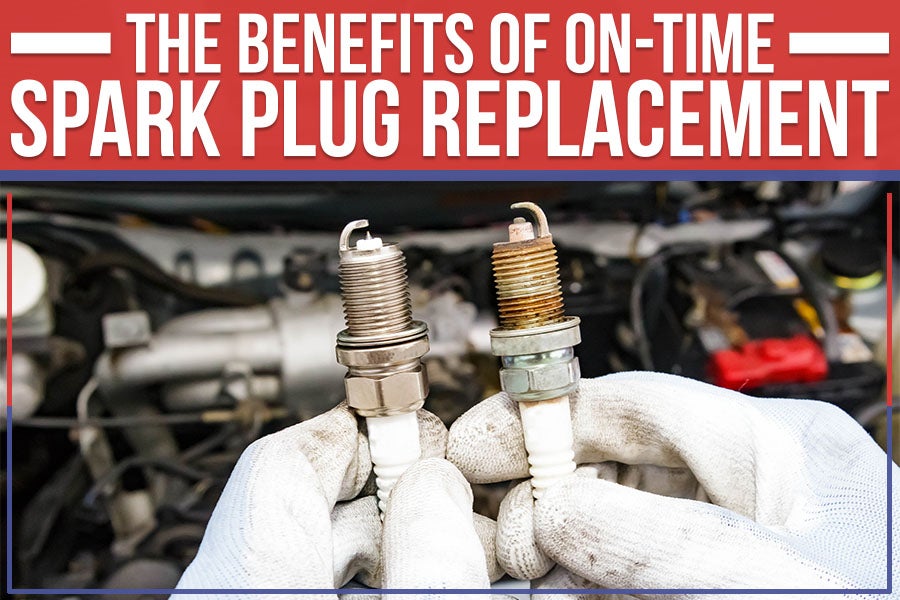
One of the most important - but often overlooked - components of a car is the spark plug. A bad or old spark plug can lead to engine problems, so it's crucial to replace them when needed. Car owners are expected to replace spark plugs every 30,000 miles, but that number varies depending on your car's make and model. Here are some reasons why it's common sense to replace your spark plugs regularly. ​ What Damages Spark Plugs? Over time, spark plugs become fouled or damaged from deposits of oil, fuel, and carbon buildup. This happens gradually, resulting in less and less effective performance from the spark plug until it eventually fails. Bad Spark Plugs Can Cause Bigger Problems? If you let fouled plugs go for too long, it can cause engine problems. For example, a misfiring engine can damage your catalytic converter, which is an expensive part to replace. In extreme cases, a bad spark plug can cause engine failure. That's why it's essential to catch and fix problems early on. You could lose out on mileage as the misfiring engine improperly combusts the air-fuel mixture. Other signs include vibration during idling, car stalling on marching or idle, & engine surging. Surging is a troubling issue when the engine does not receive enough fuel or the required charge to ignite, creating a void that can suck in fuel randomly, causing a surge in engine output. It is imperative that the fuel lines & the spark plugs be changed. How Spark Plugs Influence Engine Performance? A spark plug ignites the air/fuel mixture so that combustion can take place. Damaged spark plugs can't create the necessary spark causing your engine to misfire, run less efficiently, and produce more emissions. In some cases, it can also lead to engine damage. For these reasons, it's essential to keep an eye on your spark plugs and replace them when required. Auto technicians recommend replacing spark plugs every 30,000 miles, depending on your driving habits. Consult your owner's manual for specific recommendations. Do I Need New Spark Plugs? Loss of power is a tell-tale indicator of a failing spark plug. A car with a bad spark plug will often struggle to accelerate and completely stall out. Other symptoms can include poor fuel economy, a rough idle, misfiring, and engine knock. If you notice any of these symptoms, have your car checked out by a mechanic as soon as possible. How to Extend Spark Plug's Durability? This includes regularly changing your oil and air filter and using the proper grade of motor oil. It's also important to avoid extended idling, which can cause your spark plugs to overheat and break down prematurely. Finally, keep an eye on your engine's tune-up schedule, and replace your spark plugs as recommended by your manufacturer. CDJR owners looking to replace their worn-out spark plugs can visit Feldman CDJR of Clarkston, serving Sterling Heights, MI, and enjoy quality vehicle repair and maintenance services. Our professional auto technicians use years of experience to deliver quality results. Schedule a free service session with our team today!

What Do Trim Levels Mean In Automobiles?

What Do Trim Levels Mean In Automobiles?

What does an "L" trim or an "XL" trim mean? Are they different models, or just versions of the same model? And what about all those other letters and numbers - what do they stand for? This blog post will look at the different trims cars come in and explain what each means. We'll also touch on features available with different trims so that you can make an informed decision when buying a car. What is a Trim Level - and What Does It Include? A trim level is a designation given to a car to indicate the level of included features and amenities. In other words, it's a way to group cars with similar features and options. Trim levels can include different engines, interior and exterior features, and equipment packages. The following distinct features are different: Engine size or power Transmission type Fuel economy Interior appointments (e.g., materials, upholstery, etc.) Exterior appearance (e.g., wheels, grille, etc.) The infotainment system and features CDJR Trim Level Examples CDJR dealerships use a unique trim level system that's slightly different from other manufacturers. Here's a rundown of the most common CDJR trim levels: Sport - The entry-level sport trim is the starting point for most CDJR models. It usually includes basic features and appointments, along with a smaller engine. Latitude - The latitude trim is a step up from the sport and adds more standard features and options. Limited - The limited trim is the top-of-the-line option and includes the most luxury features and amenities. SRT - SRT stands for "Street and Racing Technology." These trims are high-performance versions of CDJR models and include upgraded engines, refined interior, and more. What to Consider When Choosing a Trim Level? - Choosing the right trim level for your needs can be a tough decision. The following factors may help you make up your mind: Budget - Different trim levels will have different price tags. It's essential to choose a trim level that fits your budget. Priorities - What features and amenities are most important to you? Make a list of your priorities to help narrow down your choices. Needs - Do you need a high-performance vehicle, or are you looking for something more economical? Consider your needs when selecting a trim level. Wants - What other features would you like to have in your vehicle? Choose a trim level that offers the features you want, even if they're not strictly necessary. Here at Feldman CDJR of Clarkston, serving West Bloomfield, MI, we're committed to helping you find the perfect car for your needs. With our extensive inventory of new and used cars, trucks, and SUVs, we help you find the perfect vehicle for your need. Explore our diverse car inventory and different car trim levels today and get behind the wheels of your dream car.

Do Hybrid Vehicle Tires Weather Faster?

Do Hybrid Vehicle Tires Weather Faster?

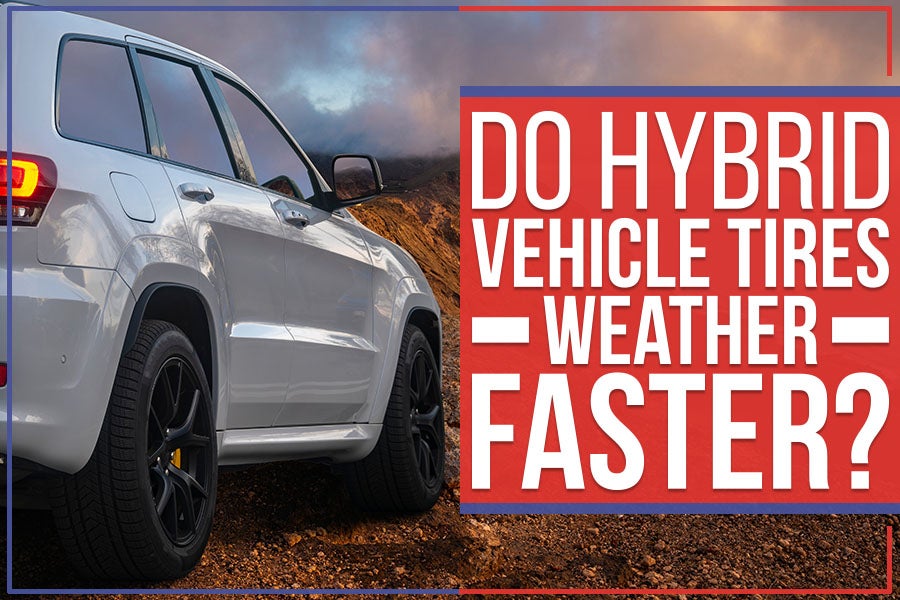
When you think about a hybrid car, what comes to mind? Fuel efficiency? Lower emissions? Many people don't realize that hybrids also have some unique maintenance needs. One of the frequently asked questions we get from our customers is whether or not hybrids go through tires faster than regular cars? Why Do Hybrid Cars Need Different Tires? The simple answer is that hybrids use two different types of energy to power the car – gasoline, and electricity. These energy sources create different amounts of wear and tear on the tires, so hybrid cars need tires that can withstand that extra strain. Are All Hybrid Tires the Same? No! Not all hybrid tires are created equal. There are a few different types of hybrids, and each one needs a specific type of tire. How Can I Know if My Car Needs Special Tires? Most hybrids will come with a sticker in the window or door that indicates what type of tires your car needs. If you don't have this sticker, you can always check your owner's manual. What Special Features Do Hybrid Tires Possess? Many hybrid tires are designed to be eco-friendly. They have a lower rolling resistance, which means they use less energy and therefore last longer. They're also built to handle a broader range of temperatures, so you don't have to worry about your tires being too cold or hot. Since hybrid vehicles are heavier, they need tires to handle the extra weight. Standard tires might not be able to do this, so hybrids usually come with special eco-friendly tires. Are Eco-Friendly Tires More Expensive? Most of the time, eco-friendly tires are more expensive than standard tires. This is because they're made with more expensive materials and require a different manufacturing process. However, the extra money you spend on eco-friendly tires will be worth it in the long run. Do Hybrid Cars Wear Tires Down? Yes, hybrid cars can wear tires down faster. This is because they're heavier and need tires that can handle the extra weight. Standard tires might not be able to do this, so hybrids usually come with special eco-friendly tires. Hybrid cars also tend to brake more often, further wearing the tires. Are Eco-Friendly Tires Better for the Environment? Yes, eco-friendly tires are better for the environment. This is because they're made with less harmful chemicals and create less noise when driving. They also last longer than standard tires, so you'll need to replace them less often. While hybrids may seem like they would put more wear and tear on your tires, that’s not always the case. In fact, with proper tire maintenance and by following a few simple tips, you can mitigate damages to your tire from the hybrid vehicle if you're looking for a new set of tires for your hybrid – or any other vehicle! Be sure to check out our selection at Feldman CDJR of Clarkston, serving Waterford, MI. Schedule a service today and replace the worn-out tires with better versions.

Touchdown In Troy: Is Your Aftermarket Android Panel Worth It?

Touchdown In Troy: Is Your Aftermarket Android Panel Worth It?

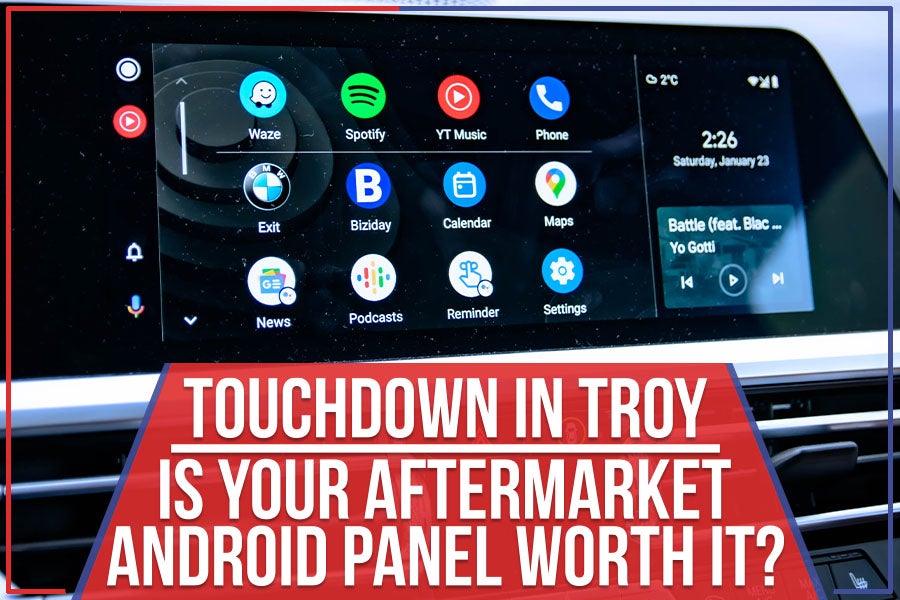
When you're looking to improve your driving experience, one of the best things you can do is upgrade your car's audio and entertainment system. A smart way to achieve this is by installing an aftermarket Android panel. This will give you access to your favorite music, movies, and games while on the road. But is it worth the investment? In this blog post, Feldman CDJR of Clarkston will review the pros and cons of upgrading to an aftermarket Android panel. We'll help you decide if it's right for you. What is Android Auto? If you haven't used it before, Android Auto is a system that allows you to use your Android smartphone in your car. Enjoy hands-free calls, music, and turn-by-turn navigation. It's a terrific way to stay connected while on the road. With LCD panels and touchscreens becoming more commonplace in cars, you can upgrade your vehicle with an aftermarket Android panel. Why Install It in My Car? If you've already used the app on your phone, you might wonder why you would need to install it in your car. After all, your phone is probably within arm's reach. But there are a few reasons why you might want to consider it: Stress-free Experience: You'll no longer have to juggle driving while peeking at your phone. The app will be right in front of you so that you can focus on the road. Better Directions: With the app installed in your car, you'll get better directions because the Navigation will be more accurate. This is especially useful if you're unfamiliar with an area or are going on a long trip. Safety Features: The Auto app will allow you to scroll only 3 pages in things like Pandora or Google Play Music if the parking brake isn't engaged. While this might be frustrating, it's a great safety measure. Beat the Heat: Mounting a phone in a case to the dash can be dangerous on hot days. When it's 100+ degrees outside, your phone can overheat. But with an Android panel, the screen will be in a cooler spot. Why Not Install It in My Car? However, it's essential to do your research before pulling out your wallet. Check out these drawbacks to see if an Android panel is right for you: Big Bucks: An aftermarket Android panel starts at $500 on the low end, with more for professional installation. You might be staring at $800 after all that - and if you want something with quality, you can expect pricing over $1000. Voice Control: Android isn't always the sharpest crayon in the box. While it has made leaps and bounds, voice control is still iffy. You might find yourself frustrated trying to get your panel to do what you want. Alternatives: If you enjoy the app but don't want to spend the money on an Android panel, there are alternatives. You can get a phone mount and use your phone as a navigation system - or better yet, keep your eyes on the road and use hands-free calling. Conclusion Is an aftermarket Android panel right for you? The answer rests with what you're looking for. If Android Auto is on your "want" list this season, check out Feldman CDJR of Clarkston. We serve Troy, MI, with reliable car solutions and a great selection of vehicles. Browse our inventory today!

Save Money & Clean Your Car At Home - List Of Essential Cleaning Items

Save Money & Clean Your Car At Home - List Of Essential Cleaning Items

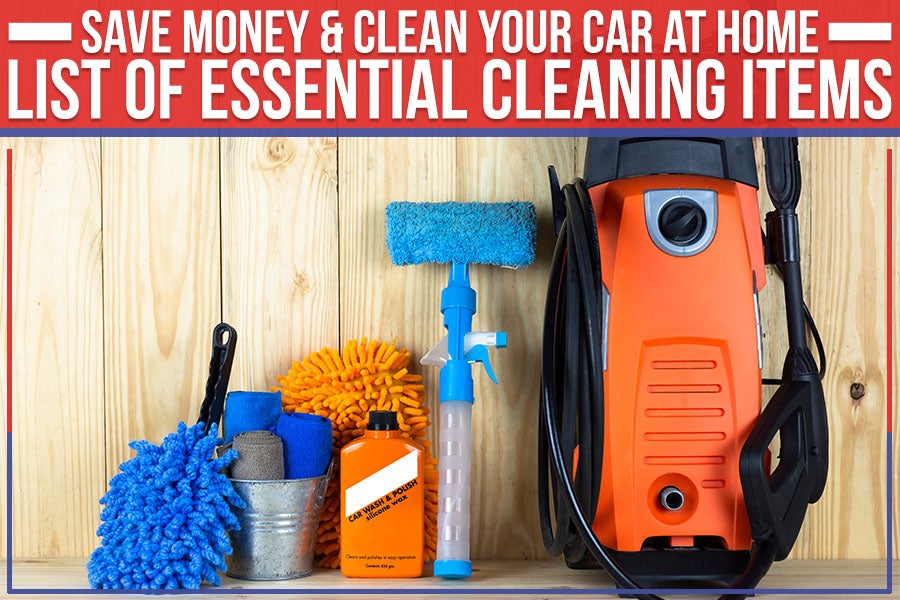
Are you tired of paying for car washes? Do you want to clean your car at home but don't know where to start? Worry no more! We will provide a list of essential items that you need for a successful car cleaning session. We'll provide some tips on how to use these items properly. So, what are you waiting for? Let's get started! Bucket and Soap A bucket is one of the essential items when cleaning your car at home. It's important to use a separate bucket for washing your car so that you don't contaminate other things like your clothes or towels. Fill the bucket with warm water and soap specifically designed for washing cars. You can find this type of soap at any auto parts store. Sponges and Scrubbers In addition to a bucket and soap, you'll also need a few different types of sponges and scrubbers. They will help you get into all the nooks and crannies of your car to ensure it's clean both inside and out. Look for sponges that are soft enough not to scratch your car's paint but firm enough to remove any dirt or grime. Microfiber Towels and Brushes Once you've washed your car, you'll need to dry it off. This is where microfiber towels come in handy. Microfiber towels absorb water without leaving any streaks, spots, or lint behind. You can also utilize a microfiber towel to dust your car's interior surfaces. In addition to microfiber towels, you may also want to invest in some car-specific brushes. These brushes can help you reach tight spaces and clean hard-to-reach areas. Look for a set that includes a dashboard brush, an upholstery brush, and a crevice tool. Wheel Cleaner If you want your wheels to shine, you'll need a good wheel cleaner. Wheel cleaners come in both aerosol and gel forms. Spray the cleaner onto your wheels and let it sit for a few minutes before wiping it away with a microfiber towel. For an extra-shiny finish, you can also use a power washer. Just be sure to use a low setting, so you don't damage your wheels. Carpet Cleaner To clean your car's carpets: Start by vacuuming them thoroughly. Spray a carpet cleaner onto the carpets and scrub with a brush. Let the cleaner sit for a few minutes before wiping it away with a damp cloth. For tough stains, repeat this process. Glass Cleaner A glass cleaner is an important item on hand when cleaning your car at home. This cleaner will help remove any streaks or smudges from your windshield and windows. Ensure to choose a streak-free glass cleaner and safe for use on tinted windows. There you have it! These are just a few of the essential car cleaning items you'll need to clean your car at home. With these supplies, you'll be able to keep your vehicle looking its best without spending a fortune. There are many reasons to choose Feldman CDJR of Clarkston, serving Rochester Hills, MI, for affordable car services. The team is highly skilled and experienced, the prices are fair and competitive, and the service is prompt and reliable. You can't go wrong with choosing our dealership service center for your car needs. Schedule a service appointment now!

Contact Us

Fill out this form below and we'll contact you shortly
*Required Fields