




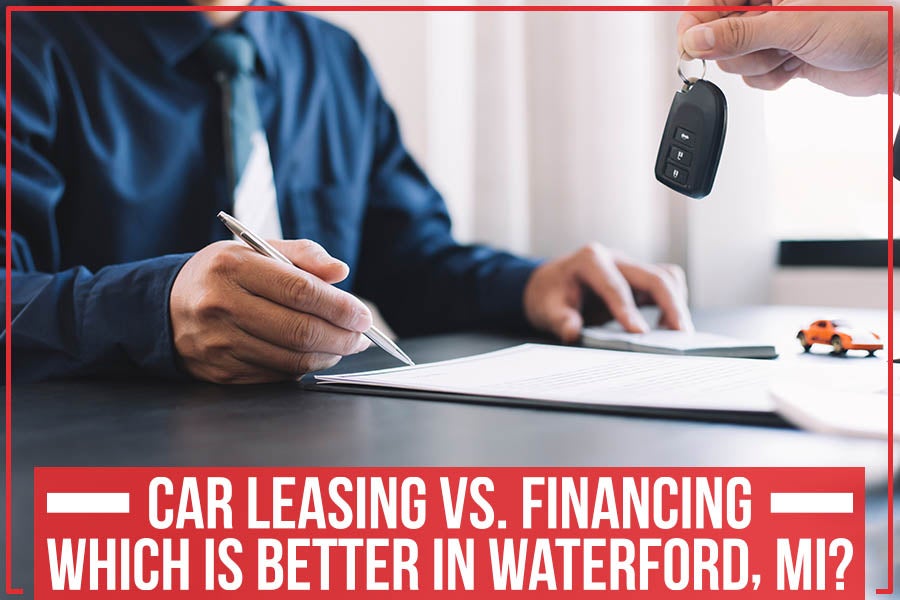
Key Takeaways: There are pros & cons to both car leasing and financing. Car leasing means you're only paying for the depreciation of the vehicle over the term of the lease, While with the financing, you're paying off the entire purchase price of the vehicle. Ultimately, the best option depends on your budget and needs. When buying a car, one of the big decisions you'll have to make is how to pay for it. Should you lease your car or finance it? Both options have pros and cons, so which is better depends on your circumstances. In this article, Feldman CDJR of Clarkston will break down the pros and cons of each option so you can settle on which is best for you. Keep in mind that this is just a general overview – for more specific advice, talk to an auto financing specialist. Also, If you're trying to figure out whether you should buy a Certified Pre-owned car from a dealership or not – Here’s our take on it! Car Leasing: All You Need To Know Alright, without further ado, let's start with car leasing. Car leases are becoming increasingly popular, especially among young and first-time car buyers. If you're thinking about leasing a car, here are a few things you need to know: What Is A Car Lease? A car lease is nothing but a long-term rental agreement. You make monthly payments to the dealership for the use of the vehicle, but you don't actually own it. After the lease period, usually two or three years, you simply return the car to the dealership and start anew with a new vehicle. What Are The Benefits Of Leasing An Automobile? There're several benefits to leasing a car rather than financing it. For one thing, leases typically have lower monthly payments than a traditional car loan. This is because you exclusively pay for the vehicle's depreciation during the lease term rather than the entire purchase price. Another benefit of leasing is that it offers more flexibility than buying. If you only need a ride for a few years or are unsure what kind of car you want, leasing can be a great option. It's also easier to get out of a lease than a car loan; if your circumstances change & you can no longer afford the monthly payments, you can simply return the car to the dealership. What Are The Drawbacks Of Leasing A Ride? There are some drawbacks to leasing as well. First, you'll never own the car outright; at the end of the lease term, you'll have to return it to the dealership. Second, there are mileage restrictions; most leases limit you to 10,000 and 15,000 miles per year. You'll have to give out a fee for each additional mile if you go over this limit. Finally, leasing can be more expensive in the long run than buying a car outright. If you're planning on keeping your car for more than a few years, or if you drive a lot of miles, buying may be the better option. Car Financing: All You Need To Know Well, the second option is to finance the car. Car financing has been in trend for quite a while and is chosen by most car buyers. What Is Car Financing? Alright, so what exactly is car financing? In simple terms, when you finance a car, you're borrowing money from a bank or financial institution to pay for the vehicle. You then push monthly payments to repay the loan, plus interest. What Are The Benefits Of Car Financing? There are a few key benefits of car financing. First, it allows you to buy a more expensive car than you could if you were paying cash. You can buy a car outside your budget and spread the cost over a few years. Another benefit of financing is that it can help improve your credit score. When you make timely monthly payments, it shows potential lenders that you're a responsible borrower. This can be much more convenient if you ever need a loan for a major purchase, like a house. Third, you might be able to snag up a lower interest rate on a car loan than you could get with a loan for personal needs. This is because car loans are considered secured loans, which means the car serves as collateral. What Are The Disadvantages Of Car Financing? There are a few disadvantages of car financing to keep in mind. First, you'll have to pay interest on the loan, which will increase the overall cost of the car. For example, if you finance a $20,000 car at 5% interest for five years, you'll pay a total of $21,600. Second, the lender can repossess your car if you miss any payments or default on the loan. You don't have to worry about this major risk with leasing. Finally, once you pay off the loan, the car will be yours, and you'll be responsible for all repairs and maintenance. With leasing, you can simply turn in the keys and walk away at the end of the lease term. Car Leasing Vs. Financing: The Main Difference So, to sum it up, the striking difference between car leasing and financing is that with a car lease, you're only paying for the use of the car during the lease term, while with a loan, you're paying off the entire purchase price of the car. If you're unsure which option is perfect for you, talk to your financial advisor or a car leasing expert. They'll help you weigh all the factors and make the best decision for your unique situation. Car Leasing Vs. Financing: Which Is Better for Me? The answer to this question comes down to your individual circumstances. Both options have pros and cons that you'll need to consider before deciding. But you can determine the best course of action by asking yourself a few key questions: What is my budget? Do I want to own the automobile outright? How long do I plan to keep the car? What is my credit score? Based on your answers, financing may be the better option if you have a higher budget and are planning to keep the car for longer. Owning the car outright also gives you more freedom to modify it as you please. If you have a lower budget or are looking for a shorter-term solution, leasing could be the way to go. And if your credit score isn't perfect, you may have an easier time getting approved for a lease than a loan. At the end of the day, there's no right or wrong answer when it comes to leasing vs. financing a car. It all depends on your personal needs & circumstances. Here's How Feldman CDJR of Clarkston Can Help! If you're still unsure whether you should go for a car lease or auto finance – our team of experts at Feldman CDJR of Clarkston, serving Waterford, MI, can help. We'll work with you to figure out what type of vehicle you need and help you find the perfect lease or loan option. Browse our online inventory or contact us today to get started!
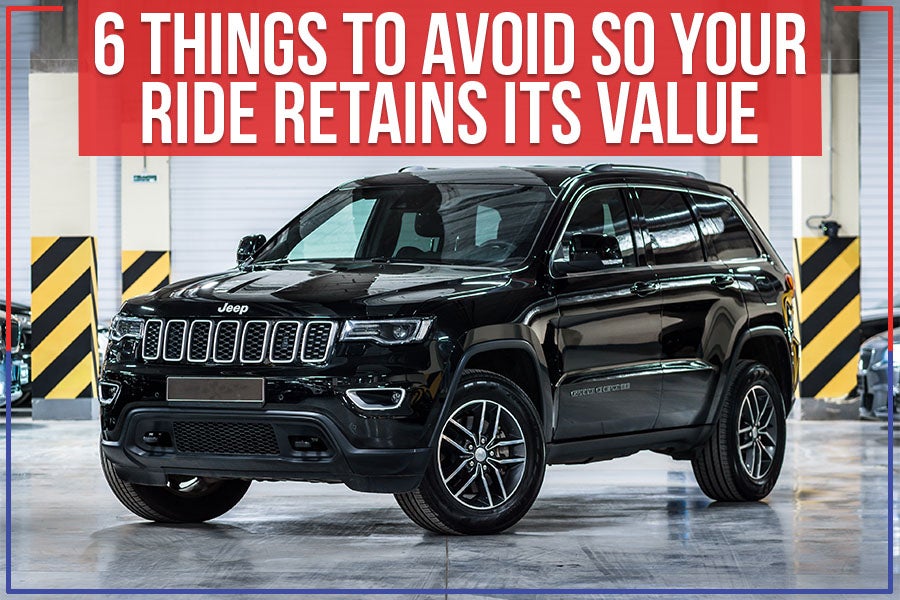
6 Things To Avoid So Your Ride Retains Its Value
Key Takeaways A car loses its value due to depreciation However, you can make sure it retains its value at the point of sale by scheduling regular maintenance. Following some simple maintenance guidelines can help retain your car's value. You should also avoid a few basic errors to ensure the car sale happens at a favorable price. No one likes depreciation. It whisks away your car's value almost as soon as you drive it off the lot. While there's no way to prevent it altogether, there are ways to slow down depreciation. Here are six things to avoid so your ride retains its value for as long as possible. 1. Don't Skip Maintenance This is number one for a reason. Skipping oil changes, tune-ups, and other scheduled maintenance will shorten your car's life and lower its resale value. A well-maintained car is more attractive to potential buyers and commands a higher price. Remember to keep copies of all maintenance records to show potential buyers that you've taken good care of the car. 2. Don't Let the Interior Go If you eat in your car or have kids who often ride along, the interior will inevitably get messy from time to time. However, try to keep it as clean as possible. A stained or ripped-up interior will make potential buyers think twice about purchasing your car, no matter how well the exterior looks. Make sure to thoroughly clean the interior before putting your car on the market. 3. Don't Forget About Curb Appeal Curb appeal is just as important for cars as it is for homes. A scratched or dented exterior will turn away potential buyers before they even take a test drive. If your paint job looks dull, consider getting a new coat before listing your car for sale. Giving your car a good wash and polish can go a long way! 4. Don't Drive Like a Maniac We all know people who love showing off their driving skills by speeding down back roads and taking sharp turns without slowing down first—don't be one of those people! The stunts are dangerous and take a toll on your car over time. Fast driving and hard braking can cause premature wear and tear on your engine, tires, brakes, and suspension system, lowering your car's resale value. 5. Don't Modify Your Car While adding aftermarket features may be tempting, resist the urge! Modifications almost always decrease a car's resale value because they make it less attractive to potential buyers outside your niche interest group. In some cases, modifications may even void your warranty, costing you big bucks down the road. 6. Don't Neglect Serious Repairs If something breaks down in your car, get it fixed—simple as that! Neglecting necessary repairs will make your ride less enjoyable and decrease its resale value by signaling to potential buyers that you haven't taken good care of the car. How Depreciation Works To put it simply, depreciation is the decrease in the value of an asset over time. Everything depreciates, including cars, houses, and appliances. When you buy a car, it's only worth what someone is willing to pay for it. The second you drive your car off the lot, it loses value. A new car can lose as much as 20% of its value in the first year alone. And over time, that loss only accelerates. There are several reasons why cars lose value as soon as they are driven off the lot. The main reason has got to do with supply and demand. Cars are mass-produced, so there is an overabundance of them, which drives down the price. On the other hand, there is always a demand for new cars, so dealers can charge a premium for them. In addition, cars also depreciate because they are subject to wear and tear. Every time you drive your car, it goes through a tiny bit of wear and tear. Over time, the wear and tear significantly reduce the value of your car. How to Calculate Depreciation There are different methods for calculating depreciation, but the two most common are the straight-line method and the declining balance method. The straight-line method subtracts the salvage value (the estimated value of the car at the end of its useful life) from the car's price and divides it by the number of years in the car's useful life. The declining balance method bases depreciation on a percentage of the original purchase price; typically, this percentage is double the straight-line rate. Also, Read – Signs Your Car’s Radiator is Failing Car Maintenance Measures that Help Retain its Value How do you ensure you get top dollar when it comes time to sell? Here are a few car maintenance measures that help retain its value. Change the Oil Regularly One of the best things you can do for your car is to change the oil regularly. Most mechanics will tell you that you need an oil change every 5,000 miles. Some cars may be able to go longer, but err on the side of caution and get it done sooner rather than later. Not only will this help your car run better, but it also helps maintain its value. Get Regular Tune-Ups Tune-ups are essential because they help keep your car running smoothly and efficiently. By getting regular tune-ups, you can avoid bigger (and more expensive) problems down the road. Again, this helps with both the performance of your car and its resale value. Wash and Wax Regularly Regularly washing and waxing your car helps protect the paint job and keeps it looking shiny and new. When it comes time to sell, a well-maintained exterior will help fetch a higher price. So break out the hose (or take it through a drive-through car wash) once a week and give it a good scrubbing. Then break out the wax and give it a good shine. Your car will thank you for it! By following straightforward vehicle maintenance and car service guidelines, you can retain your car's value and avoid costly repairs down the road. Feldman CDJR of Clarkston, serving West Bloomfield, MI, is here to help you keep your car running like new with our expert service team. Schedule a visit today, and let us take care of everything for you.