





What Do Trim Levels Mean In Automobiles?

What does an “L” trim or an “XL” trim mean? Are they different models, or just versions of the same model? And what about all those other letters and numbers – what do they stand for?
This blog post will look at the different trims cars come in and explain what each means. We’ll also touch on features available with different trims so that you can make an informed decision when buying a car.
What is a Trim Level – and What Does It Include?
A trim level is a designation given to a car to indicate the level of included features and amenities. In other words, it’s a way to group cars with similar features and options. Trim levels can include different engines, interior and exterior features, and equipment packages.
The following distinct features are different:
- Engine size or power
- Transmission type
- Fuel economy
- Interior appointments (e.g., materials, upholstery, etc.)
- Exterior appearance (e.g., wheels, grille, etc.)
- The infotainment system and features
CDJR Trim Level Examples
CDJR dealerships use a unique trim level system that’s slightly different from other manufacturers. Here’s a rundown of the most common CDJR trim levels:
- Sport – The entry-level sport trim is the starting point for most CDJR models. It usually includes basic features and appointments, along with a smaller engine.
- Latitude – The latitude trim is a step up from the sport and adds more standard features and options.
- Limited – The limited trim is the top-of-the-line option and includes the most luxury features and amenities.
- SRT – SRT stands for “Street and Racing Technology.” These trims are high-performance versions of CDJR models and include upgraded engines, refined interior, and more.
What to Consider When Choosing a Trim Level? –
Choosing the right trim level for your needs can be a tough decision. The following factors may help you make up your mind:
- Budget – Different trim levels will have different price tags. It’s essential to choose a trim level that fits your budget.
- Priorities – What features and amenities are most important to you? Make a list of your priorities to help narrow down your choices.
- Needs – Do you need a high-performance vehicle, or are you looking for something more economical? Consider your needs when selecting a trim level.
- Wants – What other features would you like to have in your vehicle? Choose a trim level that offers the features you want, even if they’re not strictly necessary.
Here at Feldman CDJR of Clarkston, serving West Bloomfield, MI, we’re committed to helping you find the perfect car for your needs. With our extensive inventory of new and used cars, trucks, and SUVs, we help you find the perfect vehicle for your need.
Explore our diverse car inventory and different car trim levels today and get behind the wheels of your dream car.
Do Hybrid Vehicle Tires Weather Faster?
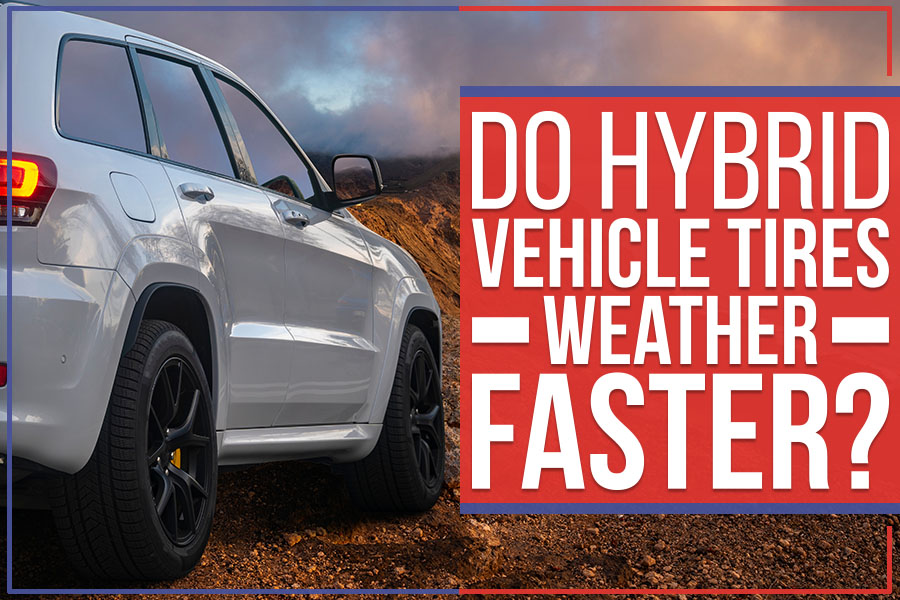
When you think about a hybrid car, what comes to mind? Fuel efficiency? Lower emissions? Many people don’t realize that hybrids also have some unique maintenance needs. One of the frequently asked questions we get from our customers is whether or not hybrids go through tires faster than regular cars?
Why Do Hybrid Cars Need Different Tires?
The simple answer is that hybrids use two different types of energy to power the car – gasoline, and electricity. These energy sources create different amounts of wear and tear on the tires, so hybrid cars need tires that can withstand that extra strain.
Are All Hybrid Tires the Same?
No! Not all hybrid tires are created equal. There are a few different types of hybrids, and each one needs a specific type of tire.
How Can I Know if My Car Needs Special Tires?
Most hybrids will come with a sticker in the window or door that indicates what type of tires your car needs. If you don’t have this sticker, you can always check your owner’s manual.
What Special Features Do Hybrid Tires Possess?
Many hybrid tires are designed to be eco-friendly. They have a lower rolling resistance, which means they use less energy and therefore last longer. They’re also built to handle a broader range of temperatures, so you don’t have to worry about your tires being too cold or hot.
Since hybrid vehicles are heavier, they need tires to handle the extra weight. Standard tires might not be able to do this, so hybrids usually come with special eco-friendly tires.
Are Eco-Friendly Tires More Expensive?
Most of the time, eco-friendly tires are more expensive than standard tires. This is because they’re made with more expensive materials and require a different manufacturing process. However, the extra money you spend on eco-friendly tires will be worth it in the long run.
Do Hybrid Cars Wear Tires Down?
Yes, hybrid cars can wear tires down faster. This is because they’re heavier and need tires that can handle the extra weight. Standard tires might not be able to do this, so hybrids usually come with special eco-friendly tires. Hybrid cars also tend to brake more often, further wearing the tires.
Are Eco-Friendly Tires Better for the Environment?
Yes, eco-friendly tires are better for the environment. This is because they’re made with less harmful chemicals and create less noise when driving. They also last longer than standard tires, so you’ll need to replace them less often.
While hybrids may seem like they would put more wear and tear on your tires, that’s not always the case. In fact, with proper tire maintenance and by following a few simple tips, you can mitigate damages to your tire from the hybrid vehicle if you’re looking for a new set of tires for your hybrid – or any other vehicle!
Be sure to check out our selection at Feldman CDJR of Clarkston, serving Waterford, MI. Schedule a service today and replace the worn-out tires with better versions.
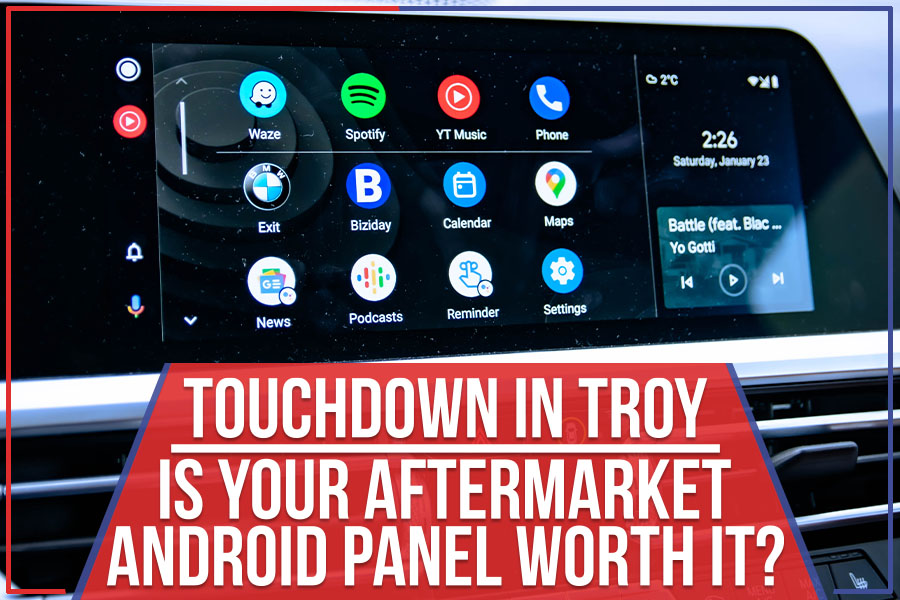
When you’re looking to improve your driving experience, one of the best things you can do is upgrade your car’s audio and entertainment system. A smart way to achieve this is by installing an aftermarket Android panel. This will give you access to your favorite music, movies, and games while on the road.
But is it worth the investment? In this blog post, Feldman CDJR of Clarkston will review the pros and cons of upgrading to an aftermarket Android panel.
We’ll help you decide if it’s right for you.
What is Android Auto?
If you haven’t used it before, Android Auto is a system that allows you to use your Android smartphone in your car. Enjoy hands-free calls, music, and turn-by-turn navigation.
It’s a terrific way to stay connected while on the road. With LCD panels and touchscreens becoming more commonplace in cars, you can upgrade your vehicle with an aftermarket Android panel.
Why Install It in My Car?
If you’ve already used the app on your phone, you might wonder why you would need to install it in your car. After all, your phone is probably within arm’s reach. But there are a few reasons why you might want to consider it:
- Stress-free Experience: You’ll no longer have to juggle driving while peeking at your phone. The app will be right in front of you so that you can focus on the road.
- Better Directions: With the app installed in your car, you’ll get better directions because the Navigation will be more accurate. This is especially useful if you’re unfamiliar with an area or are going on a long trip.
- Safety Features: The Auto app will allow you to scroll only 3 pages in things like Pandora or Google Play Music if the parking brake isn’t engaged. While this might be frustrating, it’s a great safety measure.
- Beat the Heat: Mounting a phone in a case to the dash can be dangerous on hot days. When it’s 100+ degrees outside, your phone can overheat. But with an Android panel, the screen will be in a cooler spot.
Why Not Install It in My Car?
However, it’s essential to do your research before pulling out your wallet. Check out these drawbacks to see if an Android panel is right for you:
Big Bucks:
An aftermarket Android panel starts at $500 on the low end, with more for professional installation. You might be staring at $800 after all that – and if you want something with quality, you can expect pricing over $1000.
Voice Control:
Android isn’t always the sharpest crayon in the box. While it has made leaps and bounds, voice control is still iffy. You might find yourself frustrated trying to get your panel to do what you want.
Alternatives:
If you enjoy the app but don’t want to spend the money on an Android panel, there are alternatives. You can get a phone mount and use your phone as a navigation system – or better yet, keep your eyes on the road and use hands-free calling.
Conclusion
Is an aftermarket Android panel right for you? The answer rests with what you’re looking for.
If Android Auto is on your “want” list this season, check out Feldman CDJR of Clarkston. We serve Troy, MI, with reliable car solutions and a great selection of vehicles.

Are you tired of paying for car washes? Do you want to clean your car at home but don’t know where to start? Worry no more! We will provide a list of essential items that you need for a successful car cleaning session. We’ll provide some tips on how to use these items properly. So, what are you waiting for? Let’s get started!
Bucket and Soap
A bucket is one of the essential items when cleaning your car at home. It’s important to use a separate bucket for washing your car so that you don’t contaminate other things like your clothes or towels. Fill the bucket with warm water and soap specifically designed for washing cars. You can find this type of soap at any auto parts store.
Sponges and Scrubbers
In addition to a bucket and soap, you’ll also need a few different types of sponges and scrubbers. They will help you get into all the nooks and crannies of your car to ensure it’s clean both inside and out. Look for sponges that are soft enough not to scratch your car’s paint but firm enough to remove any dirt or grime.
Microfiber Towels and Brushes
Once you’ve washed your car, you’ll need to dry it off. This is where microfiber towels come in handy. Microfiber towels absorb water without leaving any streaks, spots, or lint behind. You can also utilize a microfiber towel to dust your car’s interior surfaces.
In addition to microfiber towels, you may also want to invest in some car-specific brushes. These brushes can help you reach tight spaces and clean hard-to-reach areas. Look for a set that includes a dashboard brush, an upholstery brush, and a crevice tool.
Wheel Cleaner
If you want your wheels to shine, you’ll need a good wheel cleaner. Wheel cleaners come in both aerosol and gel forms. Spray the cleaner onto your wheels and let it sit for a few minutes before wiping it away with a microfiber towel. For an extra-shiny finish, you can also use a power washer. Just be sure to use a low setting, so you don’t damage your wheels.
Carpet Cleaner
To clean your car’s carpets:
- Start by vacuuming them thoroughly.
- Spray a carpet cleaner onto the carpets and scrub with a brush.
- Let the cleaner sit for a few minutes before wiping it away with a damp cloth.
For tough stains, repeat this process.
Glass Cleaner
A glass cleaner is an important item on hand when cleaning your car at home. This cleaner will help remove any streaks or smudges from your windshield and windows. Ensure to choose a streak-free glass cleaner and safe for use on tinted windows.
There you have it! These are just a few of the essential car cleaning items you’ll need to clean your car at home. With these supplies, you’ll be able to keep your vehicle looking its best without spending a fortune.
There are many reasons to choose Feldman CDJR of Clarkston, serving Rochester Hills, MI, for affordable car services. The team is highly skilled and experienced, the prices are fair and competitive, and the service is prompt and reliable. You can’t go wrong with choosing our dealership service center for your car needs. Schedule a service appointment now!
Do Auto Modifications Really Add Value To Your Car?

Auto modifications are a great way to add value to your car. You can make your car more stylish and unique by adding accessories and parts. But do auto modifications really add value to your car?
Most auto enthusiasts would say yes. After all, why else would you spend money on modifying your car if not to increase its value? But there are some factors you need to consider before making any changes to your car.
In this blog post by Feldman CDJR of Clarkston, we have discussed a few things to keep in mind when deciding whether or not auto modifications are suitable for you:
The Cost Of The Modification
If the modification will cost more than the value it adds to the car, it’s probably not worth it. This is an essential factor to consider, especially if you don’t have much money to spend. Sticking to the budget and only spending on necessary modifications is the way to go!
The Purpose Of The Modification
If you’re only doing it for looks, then it may not be worth it. Certain modifications, like a new paint job or upgraded wheels, can add value to your car, but if that’s not what you’re going for, they might not be worth it.
The Practicality Of The Modification
If the modification is not going to be useful or it’s going to make your car less safe, then it’s probably not worth it. For example, adding a spoiler to your car might make it look cool, but if you never drive above 50 mph, then it’s not really necessary.
How Often Do You Plan On Selling Your Car?
If you only plan on keeping your car for a short period, then auto modifications are probably not worth it. The value they add is likely to be outweighed by the cost of making the changes. However, if you plan on owning your car for many years, then auto modifications could make sense.
Your Personal Preferences
In the end, it’s your car, and you should do what you think looks best. If you really want those neon green glowing lights, then go for it! Just be aware of the potential drawbacks before making any changes.
Here at Feldman CDJR of Clarkston in Holly, MI, we love nothing more than giving our customers the power to customize their vehicles however they want! Whether you’re looking to add a new spoiler or change up the color of your car, we’ve got you covered. Plus, with our competitive prices and knowledgeable staff, you can be sure that you’re getting the best deal around. Come see us today and start driving in style!
Check out our auto parts and accessories department to pick the one that suits your needs!
4 Crucial Fluids For Your Car
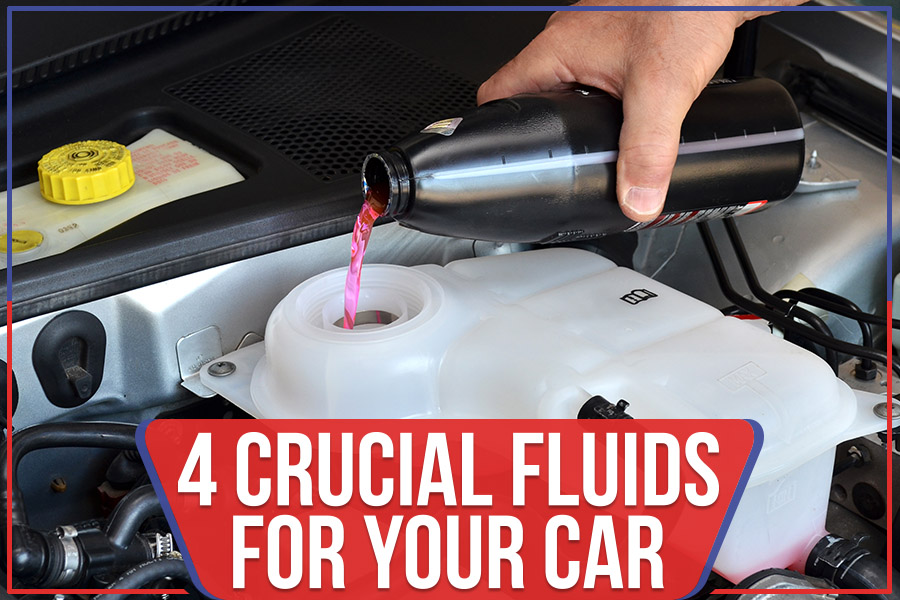
We know, we know. You’re thinking, “Ugh, another blog post about car maintenance.” But trust us – this is one you don’t want to skip over! In this post, Feldman CDJR of Clarkston discusses the essential fluids you need in your car and what they do. By understanding what each car fluid does and why it’s important, you can be better equipped to care for your automobile and avoid any unnecessary problems. So, without further ado, let’s get started!
Engine Oil
In a car, the engine is the most critical part. It’s what powers your vehicle and keeps you moving down the road. And just like your body needs blood to function properly, your car’s engine needs engine oil to keep it running smoothly.
Engine oil plays many vital roles in your car: it lubricates the engine’s moving parts, prevents corrosion, and helps to dissipate heat. All of these are essential for keeping your engine running smoothly and preventing damage.
If you go on without engine oil, your car will start to exhibit several problems. The moving parts will begin to grind against each other, causing excessive wear and tear.
Transmission Fluid
Your car’s transmission system transfers the power from the engine to the wheels. It’s a complex system of gears and gearsets that must be adequately lubricated to function correctly. Transmission fluid ensures that the gears move smoothly and without friction, preventing damage to the transmission.
If you go on without transmission fluid, your car will start to slip and jerk as it moves. This can cause terrible damage to your car’s transmission and may even require expensive repairs.
Brake Oil
Brake oil is essential because it transfers the force you apply on the brake pedal to the wheels, forcing them to stop. It coats the brake pads and rotors, providing a layer of protection between the two. This helps in preventing wear and tear on the brake pads and rotor, leading to decreased braking performance and even failure.
If you go on without brake oil, your brakes may not work as well as they should. You may observe that it takes longer to stop your car or that you’re unable to stop at all. This can be very dangerous, especially if driving in a busy area or along a busy road.
Power Steering Fluid
Power steering fluid is essential because it helps to keep your car’s power steering system functioning correctly. It lubricates the system, which prevents the parts from grinding against each other and wearing down.
If your car doesn’t have power steering fluid, you may find it difficult to steer your car. You may find that it takes more effort to turn the wheel or that the car doesn’t respond to your input at all.
Ending Note:
Now that you know what fluids are essential to keep your car running, it’s time for you to take the next step and schedule a service appointment. Our team of experts at Feldman CDJR of Clarkston serving Fenton, MI, will be more than happy to help ensure your car is properly taken care of and that all the necessary car fluids are topped off. We look forward to helping you get back on the road!
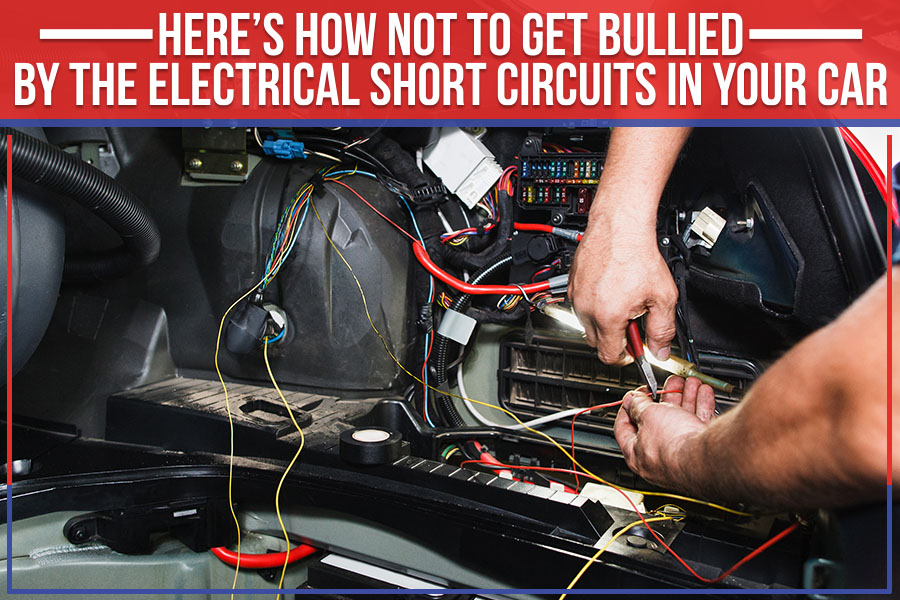
If you’re experiencing electrical problems with your car, don’t panic. Don’t let it intimidate or bully you. It might seem like a huge problem, but it can be fixed. All you need to do is locate the source of the short circuit and repair it.
In this article, Feldman CDJR of Clarkston, serving Clawson, MI, will show you how to do just that. We’ll also give you on some tips on avoiding future electrical problems. So read on and get started!
Locate the Place of the Short Circuit in Your Car
The most important thing to remember while dealing with an automotive electrical problem is to stay calm. The first step is to locate where the current stops flowing. This is easy to do with today’s tools, so don’t worry. Various tools can locate a short circuit, but the most common is a multi-meter. A multi-meter will allow you to test different points in the circuit and find the spot where the current has stopped flowing.
Some Tips for Fixing a Short Circuit in a Car
Once you’ve located the short, it’s time to start repairing it. This might require replacing wiring or components or simply reconnecting a wire that’s come loose. Be sure to follow the correct safety procedures when working with car electronics, and always consult your car’s owner’s manual. So, what can you do to fix automotive electrical short circuits? Here are a few tips:
- Locate the source of the short circuit
- Make sure that all your car wiring connections are tight and secure
- Avoid overloading your system with too many devices
- Keep wiring clean and organized
- Use quality components
- Always consult your car’s owner’s manual when working on the electrical system
- Follow correct safety procedures when working with car electronics
- Be sure to have the proper tools for the job, including a multi-meter
Things to Keep an Eye on
If you face any problems, don’t feel hesitant to contact a professional technician.
Now that you know how to fix automotive electrical short circuits, it’s essential to be aware of the signals that something might be wrong. Here are a few things to watch out for:
- Dimming headlights
- Blowing fuses
- Weird noises or smells
- Sparks or smoke
Few Things You Can do to Avoid Automotive Short Circuit
There are a few things you can do to avoid future electrical problems:
- Make sure all of your car wiring connections are tight and secure
- Avoid overloading your system with too many devices
- Keep your wiring clean and organized
- Use quality components
Following these tips will help keep your automotive electrical system running smoothly. If you experience problems, don’t hesitate to contact a professional technician.
Conclusion
Well, there you have it. That’s how to locate, fix, and avoid an electrical short circuit in your car. We hope this was helpful and that you’re now feeling a bit more confident about taking on this repair project yourself.
If you’re living in Clawson, MI, and still feel uneasy or need some help, don’t hesitate to give us a call. Our team of experts at Feldman CDJR of Clarkston is here to assist you, so schedule a service today!
Learn How To Decipher Oil Grade Numbers

Have you ever looked at the oil grade number on your car’s oil cap and wondered what it meant? Unless you’re a car enthusiast or mechanic, you probably don’t know what all of those letters and numbers mean.
In this blog post, we’ll explain what each part of the oil grade number means so that you can make informed decisions about your car’s oil.
Society of Automotive Engineers (SAE)
The SAE is an organization that creates and maintains standards for automotive parts. The oil grade number is based on the SAE’s standardization system.
The first number in the oil grade sequence (e.g., 0W-20) refers to the oil’s viscosity at low temperatures. The second number in the sequence (e.g., 20) refers to the oil’s viscosity at high temperatures.
What is Viscosity Grading?
Viscosity grading is a measure of how thick or thin the oil is. The higher the number, the more viscous the oil; conversely, the lower the number, the thinner the oil. Thicker oils are better at resisting heat and shearing forces, while lighter oils flow more easily.
Many people think that a higher viscosity rating means that oil is of better quality, but this isn’t always true. Some high-quality oils have low viscosity ratings because they are designed to flow more easily at colder temperatures.
What Oil Grade Suits Your Needs the Best?
The oil grade you use depends on the vehicle you drive and several other factors. It’s always a good idea to check your owner’s manual for recommendations about what type of oil is best for your car. Oil grades are designed for specific engine sizes or different climates. Knowing the oil grade you need is essential because it can help ensure that your car functions properly and lasts a long time.
Should I go with Synthetic Oil?
Synthetic oil often costs more than other oils, but it offers several benefits. For example, synthetic oil resists heat and helps engines run cooler. It also lasts longer than traditional motor oils, so you don’t have to change it as often.
If you’re looking for an oil that will offer your car the best protection possible, synthetic oil is an excellent option to consider.
Now that you know how to decipher oil grade numbers, you can choose the right one for your needs. Remember to consult your owner’s manual if you’re not sure what type of oil your car requires.
Always consult your car’s owner’s manual to make sure you are using the correct oil type for your vehicle. And if you ever have any questions or concerns, don’t hesitate to contact us here at Feldman CDJR of Clarkston in Birmingham, MI. We would be happy to help you keep your car running smoothly!
Schedule a service with our team today and enjoy quality results.
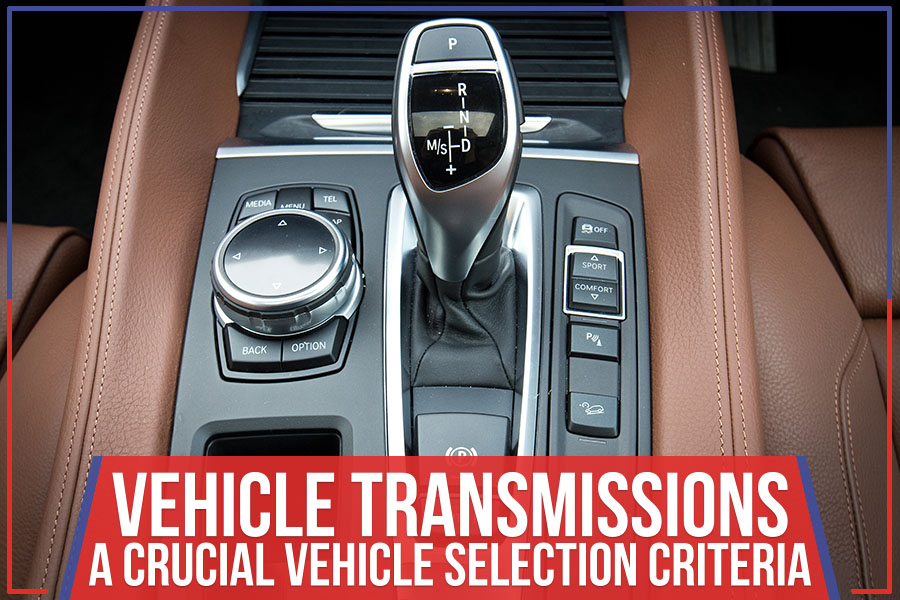
While we tend not to chase stereotypes, it is almost mythical that motor enthusiasts may cite an automatic as their vehicle transmission of choice. Autos are great at performance & efficiency, but they aren’t retrofitted to convert the output torque to provide a ‘race car’ level acceleration. Hence, they might suit another type of consumer that seeks convenience over control in driving.
You essentially choose your vehicle depending on the performance if you are factoring transmission in the process. Feldman CDJR of Clarkston, your reliable auto dealership in the area, may have elaborated the car buying process, but now it’s time to get into transmissions!
What is A Vehicle Transmission?
It is a set of gears designed to ‘step up’ the engine output & provide variable acceleration to the vehicle’s wheels via the axle. The clutch is the primary mechanism that engages the transmission to the output; as a result, the entire vehicle can move, stop, and speed ahead.
That is pretty much what a manual transmission (MT) is, and while it’s phasing out of cars around the world, a manual drive is still paramount in heavy vehicles & vintage classics.
Automatics (AT)
This type of transmission takes a clutch-less approach to driving. It utilizes a torque convertor and intelligent computers to manage the gear shift without the driver’s intervention. Automa
tics come with eco-modes to conserve fuel but deliver on performance for urban dwellers. However, you won’t find them much revered among manual motor enthusiasts!
Automated Manuals (AMT)
Even though automatic cars drastically reduced people’s spending on gas, they were still too expensive, so the auto-manual transmission is an alternative that is pretty much a manual transmission but guided with an automated system. It’s got a better application in budget vehicles & can pack quite a punch, if not the efficiency.
Amazingly, the semi-auto & dual-clutch transmission AMT variants are currently used in high-performance cars & heavy equipment. These high torque transmissions need a dedicated cooling kit to protect the transmission fluid from literally burning up. They are potent vehicles!
Continuous Variable Transmission (CVT)
The CVT utilizes the infinite gear ratio concept for a seamless transition between speeds, and depending on driver habits, it offers a more fuel-efficient vehicle compared to an AT. The transmission is best coupled with smaller luxury cars, and modern luxury cars come with preset speeds, much like a gearbox, except that there are virtually no gears in a CVT.
The transmission is ideal for business commute environments, but they are very hard to traverse across steep slopes.
4×4 & All-Wheel Drives (AWD)
When it comes to traversing rough roads & long distances, you need a transmission that can perform & endure. The 4×4 transmission is designed to engage all 4 wheels to equal capacity, while the AWD is equipped with intelligent systems to allot different speeds to each wheel for active traction control.
They are not high-performance vehicles in terms of acceleration, but they can generate enough torque to tow heavyweights. SUVs & trucks are often equipped with a 4×4 or an AWD; these rank among the most powerful transmissions on the market.
So, if you are confused about what transmission to pick, always read the transmission output torque concerning the engine volume, and then see if it matches your commuting needs.
Feldman CDJR of Clarkston, serving Flint, MI, boasts an amazing array of CVT, 4×4, and AWD vehicles in the form of new Jeep & Ram models, and we’d also be glad to assist you with financing your purchase.
If you have an adventurers’ spirit or you frequent remote sites, it’s time you went all in for the 2022 Ram 1500 Big Horn trim.

Like most parts in a car, car batteries do get old & break down, generating a myriad of problems if not fixed in time. Okay – granted, a faulty battery isn’t going to do something as terrible as bad engine oil may do for your engine, but it will strand you right before a meeting, prom night, or your first-born’s dance recital.
You don’t want to seem despicable like Gru, now, do you?
But if you are regular on car service and trust in Feldman CDJR of Clarkston for your battery-to-brake needs, we assure you that you’ll always be on time for commitments. Just keep your eyes alert for the signs of a bad car battery.
Corroded Terminals
When you have skipped out too far on a check under the hood, the battery can develop interesting growths of copper deposits on its terminals. That can also be attributed to electrolyte leaks from pressure buildup in the battery. The deposits hinder the charge, and you might find it hard to remove the battery connections to clean up the mess.
Take a pair of pliers, try to pry the connectors from the terminals & use insulated gloves with steel wool to clean the terminals. Either that or get yourself to an auto mechanic.
Low Electrolyte or Sulfation
Your car’s battery contains a liquid electrolyte to conduct the electrolysis needed to generate the charge. If your battery is acting up, it could require a refill on electrolytes. Avoid pouring tap or mineral water in because that can contaminate the process, instead, use the recommended distilled water.
If you smell the scent of eggs gone bad when you unscrew the battery tops, then it has sulfated, and a replacement is in order.
Bulging Battery Case
If you have had outstanding overheating issues with the engine, that can also affect the integrity of the electrical engine bay components & damage the battery casing. If your battery appears swollen or deformed, try to get to an auto mechanic.
Cheap mechanics will try to sell you a used battery to replace a sulfated one, but we recommend a new one to protect the integrity of your car’s components.
Warning Light is on
The most obvious sign of a weakened battery is the dashboard lights warn you something is off. The sad part is that folks don’t notice that, and things keep getting worse. The car doesn’t start because the alternator isn’t charging the battery, or the battery itself is overheating, sulfated, or leaking.
There could be many underlying reasons for a bad battery, but step away from the DIY attempts and get to a mechanic if you can’t discern them.
Electronics Are Faltering
If your car does manage to start after a series of long selfs or a jump start, that is hardly the end of your troubles. The next thing to happen will be the lagging power windows, the weak wipers, and dashboard electronics going haywire.
This could point to a faulty alternator, fried wires, a short, or your battery is simply old. Get it changed!
Feldman CDJR of Clarkston, serving Goodrich, MI, gleefully remediating battery problems, offers you service specials & authentic car parts for several reputable makes & models.
Don’t miss that recital, get your battery back in the game, and your ride running to impress that dame!
Connect with us


